

Why Trading Discipline Fails — And How System-Enforced Risk Changes Everything
Every trader knows discipline is important. They read about it, talk about it, and promise themselves they’ll be disciplined next time. And yet, most traders fail for the same reason — not because they don’t know what to do, but because they cannot execute it consistently under pressure.
This article explains why discipline breaks down structurally and why system-enforced risk control is the only approach that works when emotions rise.
The Myth of Willpower in Trading
Trading culture glorifies mental toughness — “control your emotions”, “be patient”, “stick to your plan”. But human willpower is not designed to operate under continuous financial stress. Under pressure, the brain shifts control away from logic and toward fear and reward-seeking systems.
You don’t decide to break discipline. Your brain temporarily loses the ability to enforce it.
The Emotional Loop That Destroys Accounts
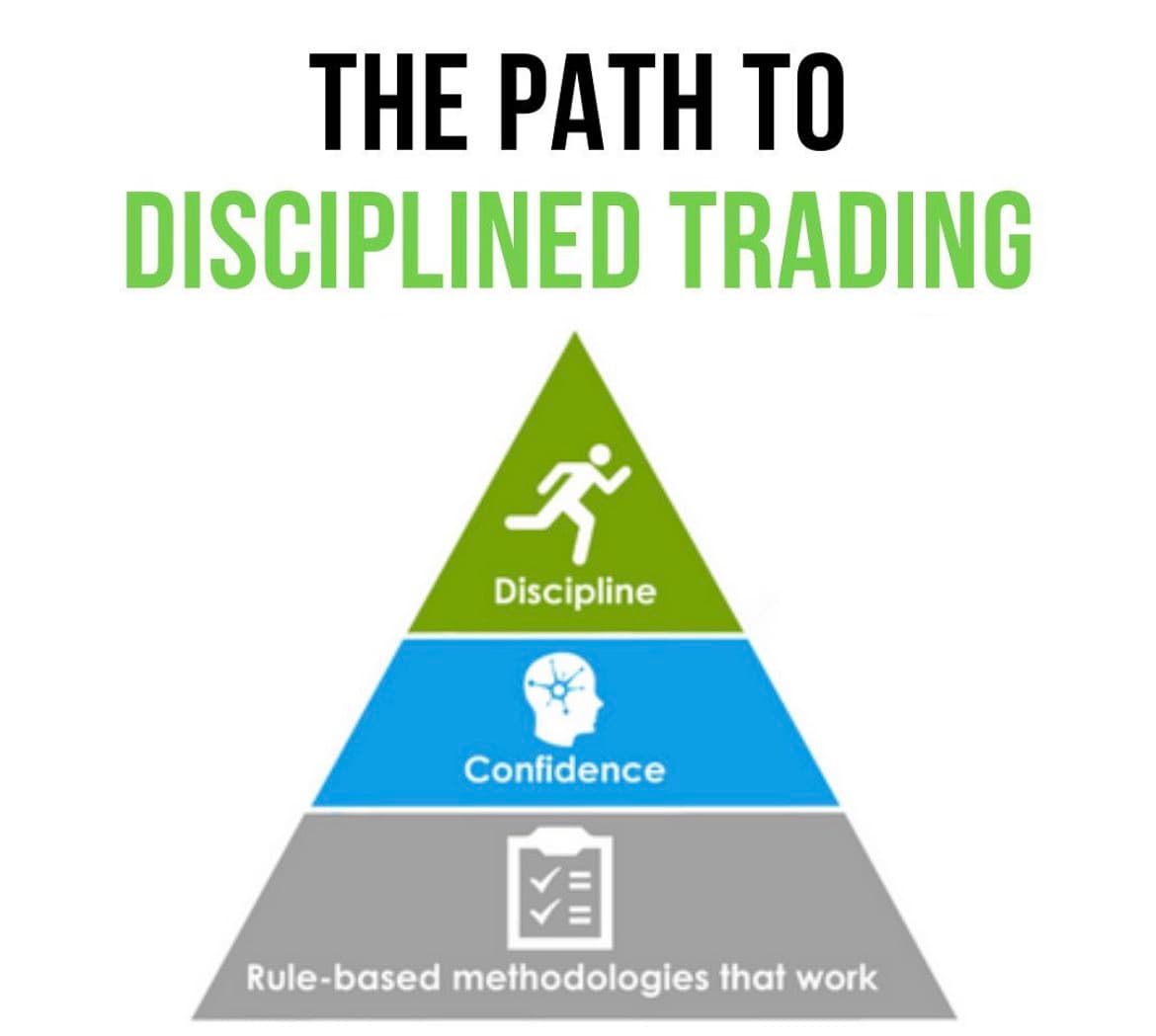
Almost every blown account follows the same loop: a small loss, emotional discomfort, an urge to recover quickly, impulsive trades, and a larger loss. This loop is not a lack of knowledge — it’s a lack of interruption.
Why Manual Risk Control Always Fails
Manual discipline assumes you will remember limits and respect them emotionally. But trading is not a calm environment. Expecting perfect self-control under stress is unrealistic.
Professional systems don’t rely on memory or mood. They rely on enforced constraints.
What System-Enforced Discipline Means
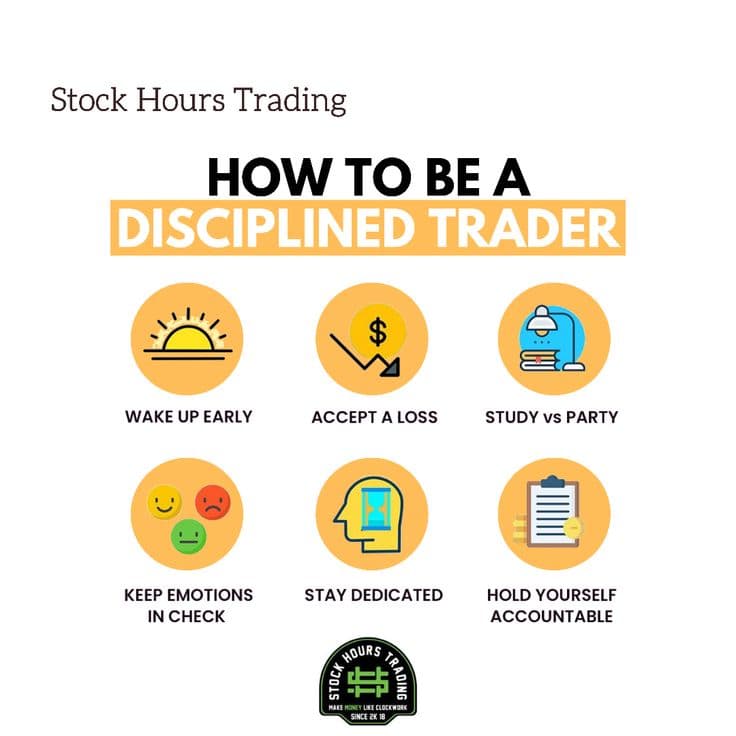
System-enforced discipline removes choice at critical moments. You cannot exceed loss limits. You cannot revenge trade immediately. You are forced into cooldowns.
This is not restriction — it is protection from your worst trading self.
Discipline That Works When You Can’t
Trading discipline fails because humans are emotional under pressure. The solution is not stronger willpower — it is system-enforced risk protection that keeps decisions rational when pressure is highest.
BOHO helps traders build discipline through enforced risk limits, cooldown rules, and system-enforced risk protection — so decisions stay rational even under pressure.